
Pest control piping systems
Pest control piping systems
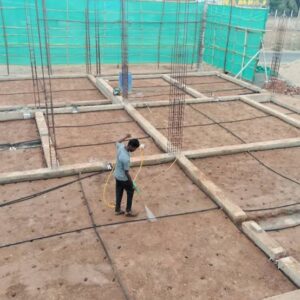
There are two primary types of piping systems:
1. In-Wall Pest Tubes (General Pest Control)
These are typically installed within the wall voids during the framing stage of a new home.
* How they work: Small, perforated tubes are run through the wall studs. These connect to an external service port (usually a small box on the outside wall). A technician injects a mist or “dust” of pesticide through the port, which travels through the tubes and releases into the wall cavities.
* Best for: Ants, cockroaches, silverfish, and earwigs that live and breed inside walls.
* Pros:
* Convenience: Technicians can service the home without you being present.
* Safety: Chemicals are contained within walls, reducing exposure to children and pets.
* Long-lasting: Pesticides last longer in dark, dry wall voids than on exterior surfaces.
Termite Reticulation Systems (Under-Floor)
These are laid horizontally beneath the concrete slab or around the perimeter of the foundation before the flooring is finished.
* How they work: A network of flexible, porous pipes is laid in a grid or along the plinth. Every few years, liquid termiticide is pumped into the system from external junction boxes, saturating the soil and creating a continuous chemical barrier.
* Best for: Preventing subterranean termites from entering through the foundation.
* Pros:
* No Drilling: Traditional termite treatments often require drilling holes into your expensive tiles or marble; this system avoids that entirely.
* Uniformity: Ensures the chemical is spread evenly, leaving no “gaps” for termites to exploit.
Comparison at a Glance
- Primary Target Common household insects Subterranean termites
- Placement Inside wall voids/drywall Under the slab or perimeter
- Service Frequency Quarterly or Bi-annually Every 3–5 years
- Installation During framing stage Before floor/slab is poured
Key Considerations
- Installation Timing: These systems must be installed during construction. If your home is already built, it is usually too late to install a full system without major renovation.
- The “Gimmick” Debate: Some pest professionals argue that in-wall tubes don’t reach every entry point (like window frames or door seals) and suggest they should be used alongside traditional perimeter sprays rather than as a total replacement.
- Maintenance: If the pipes get clogged by debris or crushed during construction, they can be difficult to repair since they are sealed behind walls or under concrete.